
Wedding Officiator
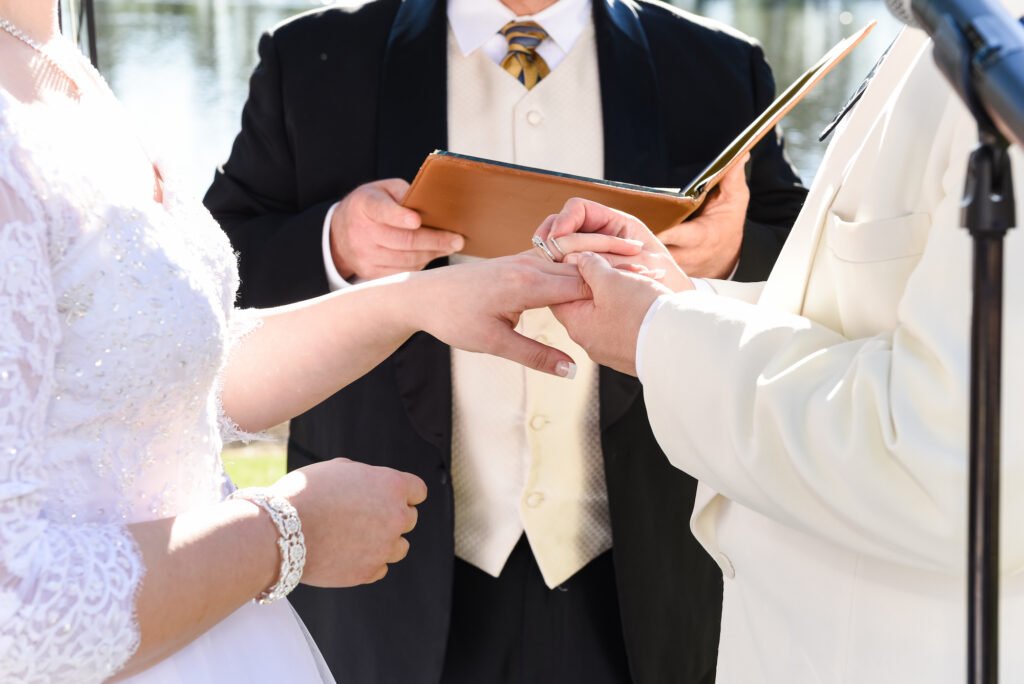
Making Vows Meaningful
A wedding officiant (sometimes called an officiator) is the person who leads your wedding ceremony and legally performs the marriage. Their role is both ceremonial and legal. In other words, they help create the tone of the ceremony you want and make sure your marriage is recognized by the state. Scroll down to see some sample duties of a wedding officiant. Typically, couples are sensitive to this issue and prefer to select their own religious, spiritual or civil officiant. Nonetheless, if you wish, Jamul House could and would be happy to arrange that service for you.
What a Wedding Officiant Does
Ceremony & Legal Duties
- Leads the ceremony — welcomes guests, oversees vows, rings, readings, etc.
- Makes it legal — signs the marriage license and files it with the appropriate government office.
- Works with you on tone and style — whether it’s religious, secular, spiritual, formal, or humorous.
Before the Wedding
- Helps you plan the ceremony structure
- May offer script options or customize words
- Guides you on legal requirements (license, witnesses, timing)
At the Ceremony
- Performs the opening remarks
- Guides the vow exchange
- Pronounces you married
- Signs the marriage license
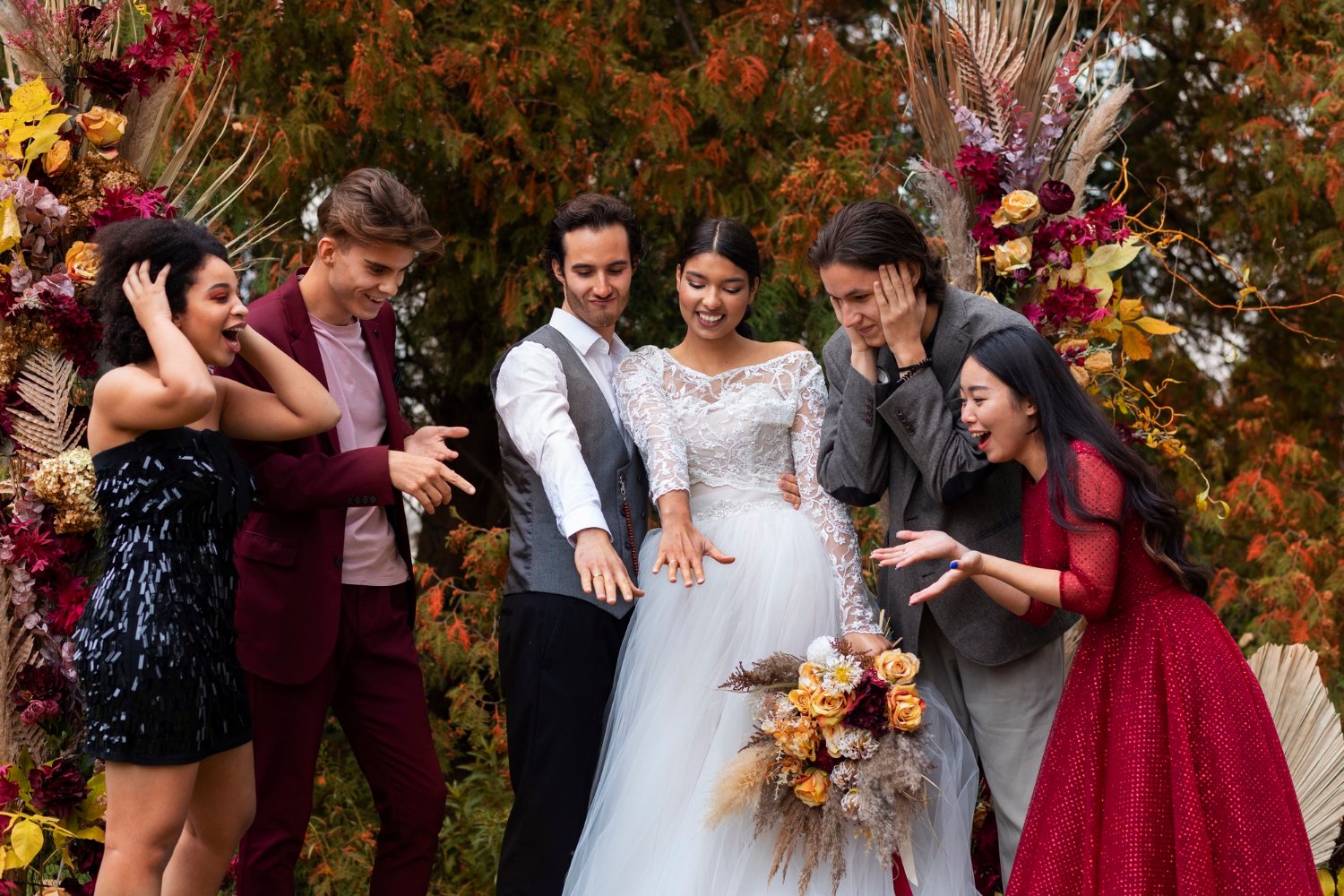


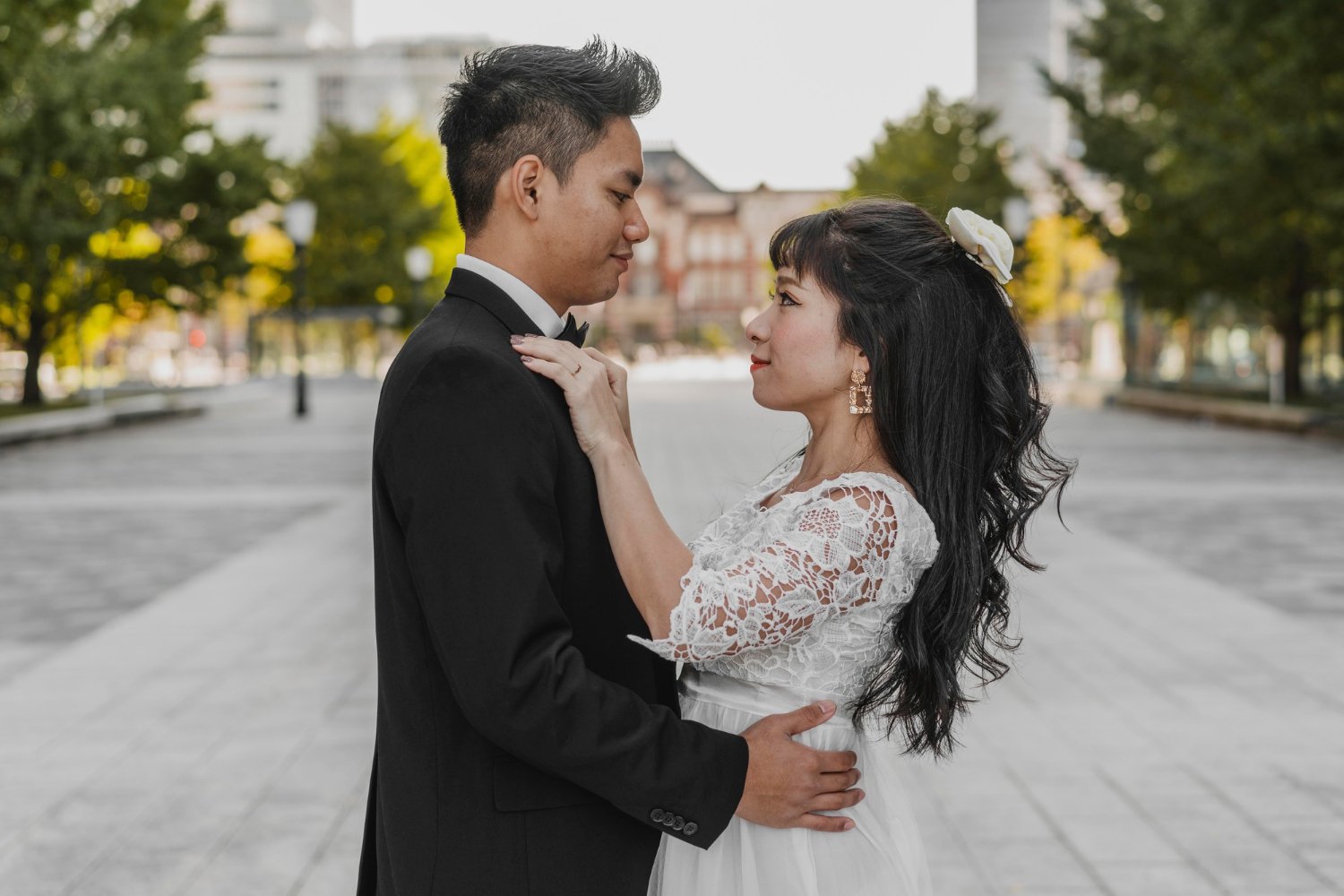
Types of Wedding Officiants
Religious Officiants
Civil Officiants
Non-Religious/Professional Officiants
Friends or Family Members (Proxy Officiants)
Legal Requirements
Requirements vary by location, but generally:
- Authorized to Perform Marriages:
Your officiant must be legally recognized in your state — e.g., ordained, a judge, or another authorized official. - Marriage License:
You and your officiant must sign your license after the ceremony. - Filing the License:
In many states, the officiant is responsible for returning the license to the county clerk. - Always check your state or local rules ahead of time to confirm what’s valid where your wedding will be held.
How to Choose One
Ask yourself:
- Do we want religious or non-religious?
- Do we want a personalized ceremony or traditional?
- Is it important that they help with planning and scripting?
- What’s our budget?
Questions to Ask Potential Officiants
- Are you legally authorized to marry us in our location?
- What ceremony styles do you offer?
- Can you help write/customize our vows and script?
- Will you handle the marriage license paperwork?
- How many rehearsals are included?
You are responsible to select your wedding officiator.
Jamul House Event does not provide or recommend any particular officiator. However, upon request Jamul House would assist your in finding one under your specific direction. But here are some helpful Tips
✔ Meet (or video chat) before booking your big day
✔ Read (or request) past couple testimonials
✔ Get everything in writing — fees, timeline, responsibilities
✔ Confirm legal authority and paperwork handling